Your cycle, explained

The 4 phases of your menstrual cycle. Simply explained.

What actually happens in your body each week, how it changes the way you feel, and what you can do about it. No jargon, no fluff, just the science that matters.

8 min readUpdated April 2026

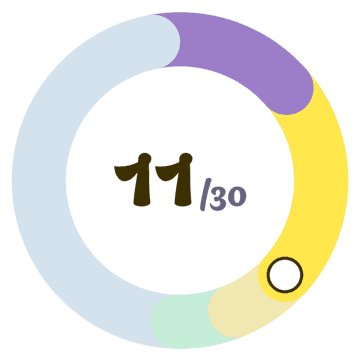
Every woman's cycle is different. A healthy cycle can range from 21 to 35 days, and the day ranges below are approximations based on a 28-day cycle. Rhythms learns your personal pattern so your phases are calculated for you, not from a textbook average.

Your questions, answered

Everything you actually want to know about your cycle.

The questions women search most, answered without the medical jargon.

How do I know which phase of my cycle I am in?

Track the first day of your period. That is Day 1. From there: days 1 to 5 are menstrual, days 6 to 12 are follicular, days 13 and 14 are ovulatory, and days 15 to 28 are luteal. Signs like energy shifts, cervical mucus changes, and mood patterns help confirm it. A cycle tracking app like Rhythms learns your personal pattern and tells you automatically.

Is a 28 day cycle actually normal?

The "28 day cycle" is a population average, not a rule. A healthy cycle can range from 21 to 35 days. What matters is whether your cycle is relatively consistent for you. Variations of a few days between cycles are completely normal and do not indicate a problem.

Why do I feel amazing one week and terrible the next?

Because your hormones are on a genuine rollercoaster. Oestrogen peaks around ovulation (confidence, energy, clarity) and then drops in the late luteal phase (fatigue, irritability, brain fog). You are not imagining it. It is a measurable, physiological shift that happens every single cycle.

What is cycle syncing and does it actually work?

Cycle syncing means adjusting exercise, nutrition, work, and rest to match each phase of your cycle. The core idea, that your hormones affect energy, mood, and capacity, is well supported by research. The specific protocols are less proven, but listening to your body phase by phase is a smart, science backed approach.

Can I exercise during my period?

Yes. Gentle movement during your period can actually reduce cramps and improve mood. Walking, yoga, stretching, and light swimming are popular choices. If you feel up for a run, go for it. If you need a rest day, that is equally valid. The goal is permission, not pressure.

What causes PMS? Is it the same as PMDD?

PMS is caused by the drop in progesterone and oestrogen in the late luteal phase. It affects up to 75% of menstruating women with symptoms like bloating, irritability, and fatigue. PMDD is more severe, a clinically recognised mood disorder affecting 3 to 8% of women, with symptoms like severe depression and anxiety. If you suspect PMDD, talk to your doctor.

Why am I so hungry before my period?

Progesterone increases your basal metabolic rate in the luteal phase. Your body genuinely burns more calories. Cravings for carbs and sugar are your body's way of seeking quick energy as progesterone drops. You are not lacking willpower. Your metabolism is temporarily running hotter.

Does the menstrual cycle affect mental health?

Yes. Hormonal shifts across the cycle directly affect neurotransmitters like serotonin and GABA. Many women experience mood dips in the late luteal phase and mood lifts in the follicular phase. For women with PMDD, the luteal phase can trigger clinically significant depression and anxiety that resolves within days of bleeding.

More questions about your cycle.

Honest answers, sourced where it counts.

What hormones control the menstrual cycle?+
Four main hormones drive your cycle: oestrogen (builds the uterine lining and peaks at ovulation), progesterone (sustains the lining after ovulation), FSH (follicle stimulating hormone, triggers egg development), and LH (luteinising hormone, triggers ovulation). These are regulated by the hypothalamus and pituitary gland in a feedback loop with your ovaries.
How long does ovulation actually last?+
The egg is viable for about 12 to 24 hours after release. However, the fertile window is wider, roughly 5 to 6 days, because sperm can survive in the reproductive tract for up to five days. Ovulation itself is a brief event, but its effects on mood and energy can be felt for a couple of days either side.
Why is my cycle irregular?+
Cycle irregularity can be caused by stress, significant weight changes, thyroid disorders, polycystic ovary syndrome (PCOS), perimenopause, or changes in exercise habits. Occasional variation of a few days is normal. If your cycle is consistently shorter than 21 days, longer than 35 days, or you are skipping periods entirely, it is worth seeing a healthcare provider.
Does stress affect my menstrual cycle?+
Yes. Chronic stress raises cortisol, which can suppress the hormonal signals (GnRH) from the hypothalamus that trigger ovulation. This can delay ovulation, lengthen your cycle, or in extreme cases cause missed periods entirely. Short term stress may shift your cycle by a few days. Prolonged stress can disrupt it more significantly.
What is the best diet for each phase of my cycle?+
During menstruation, focus on iron rich foods (leafy greens, red meat, lentils) and anti inflammatory choices. In the follicular phase, your body handles carbohydrates well, so lean into whole grains and fresh vegetables. Around ovulation, lighter meals with plenty of fibre support higher oestrogen metabolism. In the luteal phase, complex carbs, magnesium rich foods (dark chocolate, nuts), and adequate protein can help manage cravings and mood.
Can birth control change my cycle phases?+
Hormonal birth control (the pill, IUD with hormones, implant) overrides your natural cycle by providing synthetic hormones at steady levels, which suppresses ovulation. You will not experience the same four phase hormonal pattern. The "period" on the pill is a withdrawal bleed, not a true menstrual period. Non hormonal options (copper IUD, condoms) do not affect your natural cycle.
How does age affect the menstrual cycle?+
Cycles tend to be longer and more irregular in the first few years after menarche (first period) and again in perimenopause (typically mid 40s). In your 20s and 30s, cycles are usually most regular. As you approach menopause, declining egg reserve leads to shorter cycles, skipped periods, and eventually the end of menstruation.
Is Rhythms a medical or contraceptive app?+
No. Rhythms is designed for cycle awareness and lifestyle optimisation, helping you understand how your body works so you can plan your days, energy, and wellbeing around your cycle. It is not a contraceptive tool and should not be used for family planning or medical diagnosis. Always consult a healthcare provider for medical concerns.

Stop guessing. Start knowing.

Rhythms learns your personal cycle pattern and tells you exactly which phase you are in, how you are likely to feel, and what to do about it. Free for 7 days.

Try Rhythms free

No credit card required · Cancel anytime